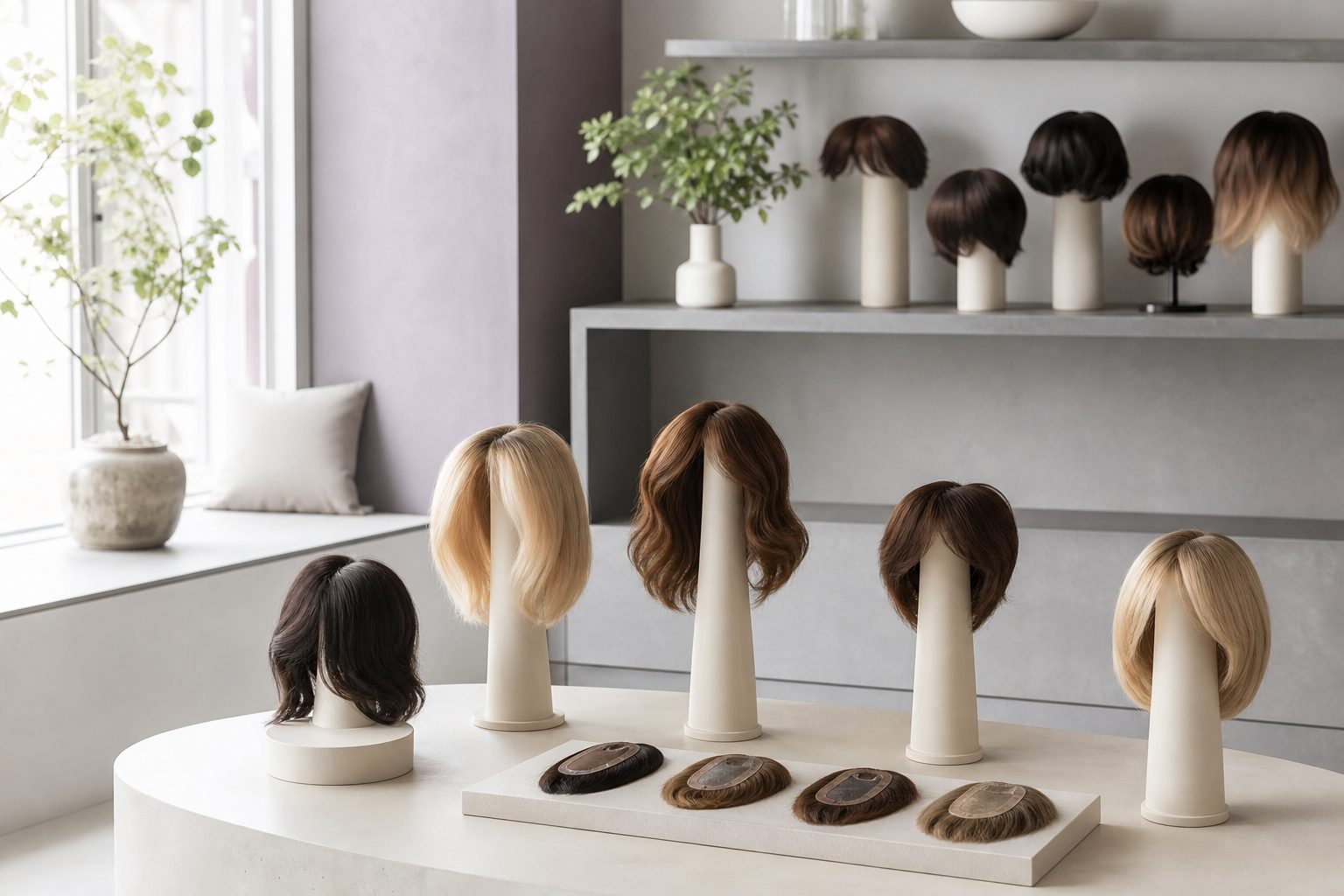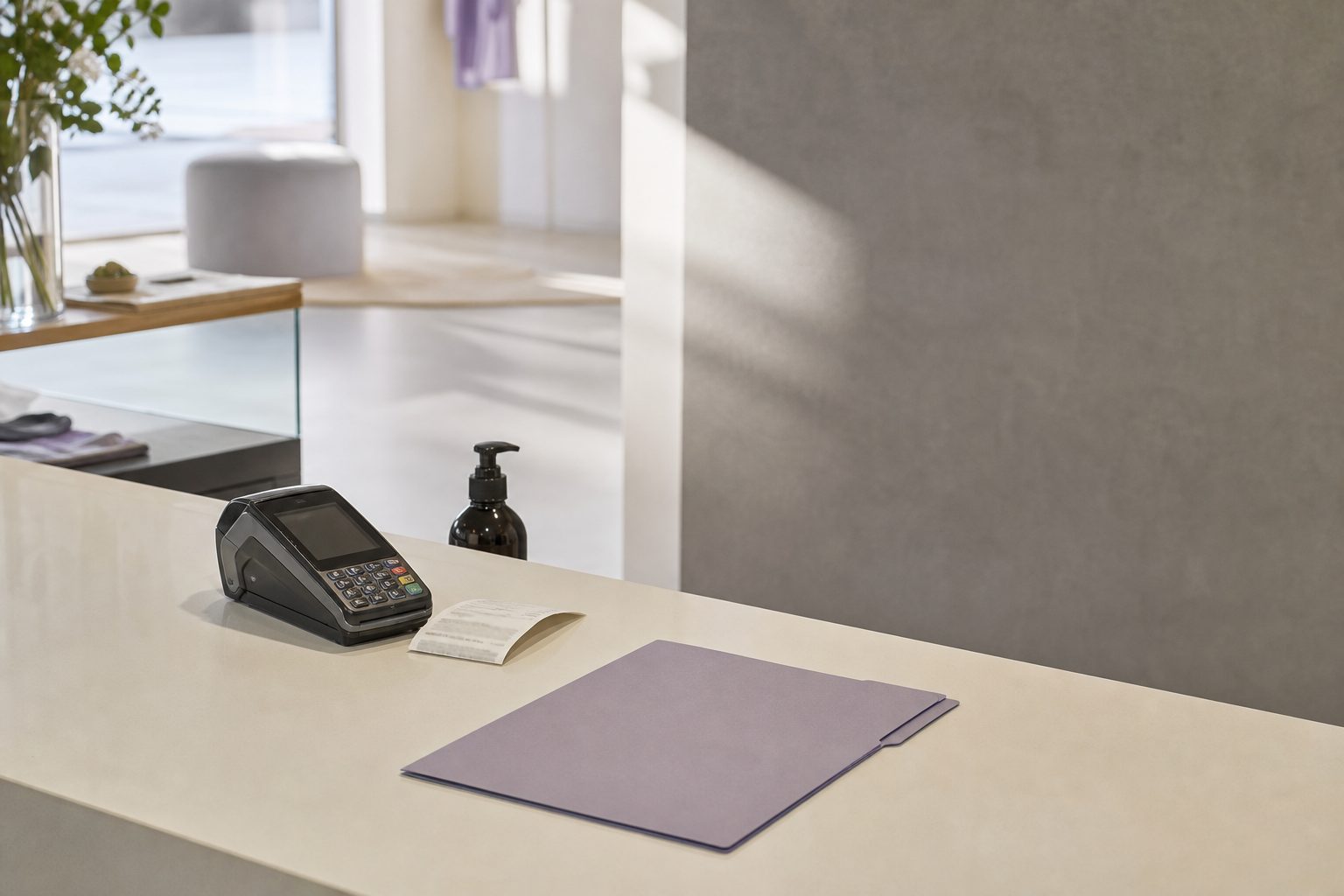
Three documents, kept together, cover almost every situation: a physician's letter of medical necessity naming a cranial prosthesis, an itemized receipt that shows the device separately from anything cosmetic, and your own record of the transaction date and payment method. If a plan administrator asks the cardholder to substantiate the charge months later, that trio is what resolves it.
The important thing to understand about who is on the hook: it is your client, not you. An HSA or FSA card is her money under her plan's rules, and the substantiation request goes to her. Your role is to make sure she leaves your counter holding paper good enough to answer it, and that you can reproduce that paper a year later when she calls in a panic.
None of this makes you a tax advisor, and nothing here is tax advice. It is a records practice. Point clients to their own plan administrator or accountant for what qualifies under their specific plan.
Why a cranial prosthesis can qualify as a medical expense
Tax advantaged health accounts cover expenses incurred primarily to alleviate or prevent a physical or mental defect or illness. A wig purchased for style does not meet that. A cranial prosthesis obtained because of hair loss caused by disease or its treatment, on the advice of a physician, generally does, and the IRS guidance on medical expenses has long listed wigs in that context.
The distinction is not the object. It is the reason, and the reason has to be documented by someone qualified to state it. That is why the letter matters more than anything else in the file.
What changes the answer
- A diagnosis behind the hair loss: chemotherapy, radiation to the head, alopecia areata or totalis, or another documented condition.
- A physician's written recommendation that predates or accompanies the purchase.
- Terminology on both the letter and the receipt that says cranial prosthesis, not wig or hairpiece.
- An invoice that does not fold styling products and accessories into the device line.
Keep reading: How did one studio build a steady referral relationship with a hospital oncology department?
The letter of medical necessity and who must sign it
The letter comes from a licensed physician or, depending on the plan, another licensed provider treating the condition. It does not come from you. You can draft it, format it and hand it to the client to take to her oncologist or dermatologist for signature, and doing so removes a real barrier, because the client who has to explain the request cold at a busy clinic often never gets it.
A usable letter states the patient's name, the diagnosis or the condition causing hair loss, that a cranial prosthesis is medically necessary, the date, and the provider's name, credentials, signature and contact details. Many plans want a duration or a statement of the expected period of need.
Keep the letter dated on or before the purchase where you can. A letter written after a substantiation request is still worth having, but a contemporaneous one raises fewer questions.
What an itemized receipt must show for substantiation
Card administrators reject vague receipts constantly. A credit card slip showing a total and a merchant name proves nothing about what was bought. Your receipt has to do the work.
| Element | Why it is asked for |
|---|---|
| Studio name, address, phone | Identifies the provider of the item |
| Client name | Ties the expense to the account holder or dependent |
| Date of service or purchase | Must fall inside the plan year for an FSA |
| Description of each item | The device line must read cranial prosthesis |
| Amount per line | Separates the eligible amount from the rest |
| Total charged and payment method | Matches the card transaction being questioned |
Put fitting and customization services on their own lines rather than inside the device price. If part of the charge is clearly cosmetic, a color service on her own hair, a decorative scarf, a second unit for convenience, list it separately so an administrator can approve the eligible portion instead of questioning the whole ticket.
Keep reading: Is scalp cooling changing how many clients walk into my studio for a full wig?
When an HSA card declines and how to process a manual reimbursement
Declines at a wig studio are routine, and usually have nothing to do with eligibility. The most common cause is the merchant category assigned to your payment processing, because many benefit cards will only authorize at merchants coded as health related. A studio coded as beauty or personal services will decline even for a perfectly eligible cranial prosthesis.
Have a script ready, because this happens in front of a client who is already having a hard week. Do not debate the card at the counter.
- Take a different payment method: personal card, check, or a payment plan you already offer.
- Print or email the full itemized receipt immediately, with the cranial prosthesis wording.
- Attach a copy of the letter of medical necessity if it is already in her file.
- Tell her plainly: her account can usually still pay for this, through a manual reimbursement claim to her administrator rather than at the register.
- Note the decline and the substitute payment method in her record, so a later question has a clear answer.
Manual reimbursement means she submits the receipt and letter to her plan and is paid back from her own account. It is a form and a couple of uploads. The friction is real but small, and it is far better than an awkward twenty minutes with a card reader.
One caution worth stating to clients: FSA funds are generally tied to the plan year and many plans forfeit unused balances after a grace or carryover period. If she is timing a purchase around a benefit, the date of service is what matters, so do not let a custom order that will not deliver until February be paid on a December balance without her checking her plan rules first.
Record retention: what to keep and for how long
Two different retention clocks apply. Hers is tax related: taxpayers are commonly advised to keep supporting records for at least three years from filing, and longer in some circumstances, which is why she should never leave with the only copy. Yours is a business records clock, driven by your state's requirements and your own exposure.
A practical policy for a small studio:
- Itemized invoices and payment records: seven years.
- Letters of medical necessity and any insurance correspondence: seven years, stored with the client file.
- Fitting records with cap measurements: keep for the life of the client relationship, then seven years. They are also your best defense in a fit dispute.
- Full card numbers: never stored, on paper or in a file. Keep the last four and the authorization result only.
Store client health information the way you would want your own handled: locked if paper, access controlled if digital, and not in a shared inbox or a phone camera roll. A diagnosis in a letter of medical necessity is sensitive whether or not your studio falls under any particular federal rule.
See how StrandRestore handles this for wig and hair loss studios
Separating taxable retail sales from medical items in your books
Several states treat a prescribed prosthetic device differently from general merchandise for sales tax, and some exempt or reduce tax on a cranial prosthesis when a physician's prescription is on file. Rules vary by state and change, so verify with your state's department of revenue rather than with a supplier's marketing sheet.
Regardless of which way your state falls, set your point of sale up with distinct product categories: prosthesis device, fitting services, and retail goods such as caps, stands, shampoos and scarves. Then your month end report answers the tax question by itself, and you are not reconstructing a year of tickets during an audit.
This also gives you the margin visibility to see what is actually paying for the studio, which is usually not the category owners assume.
A counter side checklist your staff can follow
Print this and put it where the card reader is. It should take under a minute per sale.
- Ask whether she intends to use an HSA or FSA account. Ask before ringing anything, not after.
- Confirm the device line on the ticket reads cranial prosthesis.
- Confirm services and retail goods are on separate lines with their own amounts.
- Check the file for a signed letter of medical necessity. If none, hand her the draft letter for her physician and note that it is outstanding.
- Run the card. If it declines, switch payment method without discussion and continue.
- Give her the itemized receipt on paper and by email, plus a copy of the letter if you have it.
- Tell her in one sentence to keep both for at least three years, and that you keep copies too.
- Record in her file: date, amount, payment method, whether the card was used or declined, and whether the letter is on file.
Making it routine
The failure mode is not ignorance. It is a busy Saturday, a client who is upset, and a receipt that says "wig, $2,900." Everything after that is recovery work.
StrandRestore keeps the fitting record, the itemized order and the generated cranial prosthesis letter in one client file, with a claim status log showing what has been signed, what has been submitted and what is still outstanding, so the paperwork exists before anyone has to go looking for it.